
Why Every Child Deserves Clean Water.
Clean Water Is More Than a Resource - It Is Every Child’s Right
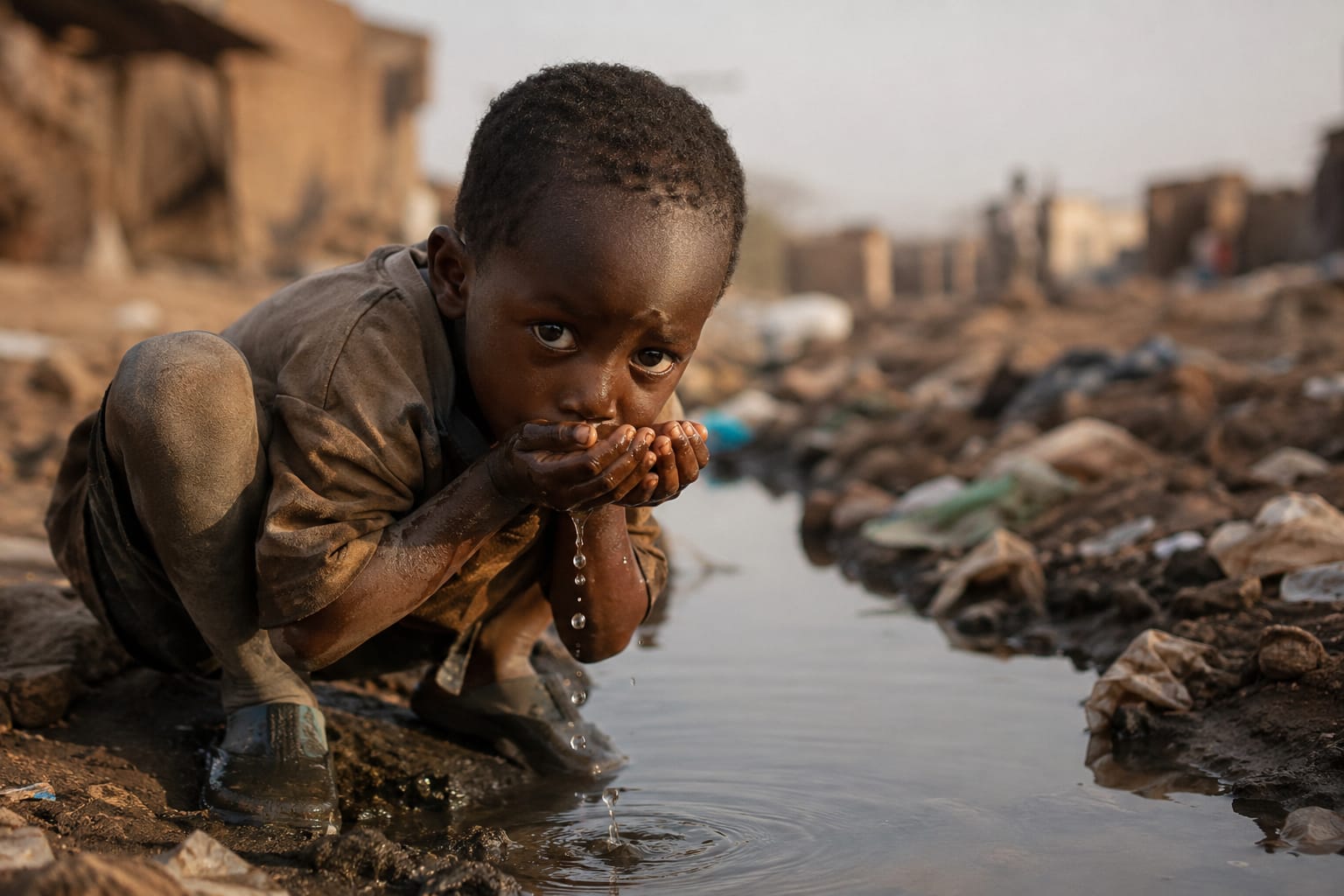
Every child enters this world with the same right to life, health, education, and a safe future. Yet millions of children still grow up without access to clean drinking water, one of the most essential resources for human life.
Clean water is not a privilege. It is a fundamental human right.According to the World Health Organization, access to safe drinking water is essential for protecting health and preventing disease:https://www.who.int/news-room/fact-sheets/detail/drinking-waterWhen children are forced to drink contaminated water, they may suffer from preventable illnesses, malnutrition, weakness, and repeated absences from school.
A glass of clean water can mean the difference between sickness and health, lost opportunities and the chance to build a better future.This challenge is closely connected to sanitation and hygiene. Through its global Water, Sanitation and Hygiene programme, UNICEF helps children and families gain access to clean water, safe sanitation, and healthier living conditions:https://www.unicef.org/washThese efforts protect children’s health and dignity, reduce the spread of disease, and give millions of young people the opportunity to learn, grow, and dream.But responsibility does not belong only to governments and international organizations.
It begins in every home, school, and community. Children learn by watching adults. When we waste water or pollute rivers, lakes, and oceans, we teach them that nature has no value. When we protect water and use it responsibly, we show them that every drop supports life.The United Nations recognizes access to clean water and sanitation as a global priority through Sustainable Development Goal 6:https://sdgs.un.org/goals/goal6This goal calls on countries and communities to ensure access to safe water and sanitation for everyone. However, real change also begins with everyday decisions: saving water, keeping natural water sources clean, reducing pollution, and teaching children to respect the environment.
Teaching children to value water means teaching them to value life itself.Every child deserves clean water, good health, education, dignity, and the freedom to dream. The future of our planet depends not only on international decisions but also on the choices each of us makes today.
Protecting water today means protecting the children who will shape tomorrow.